Data Analytics Trends Driving Smarter Business Decisions
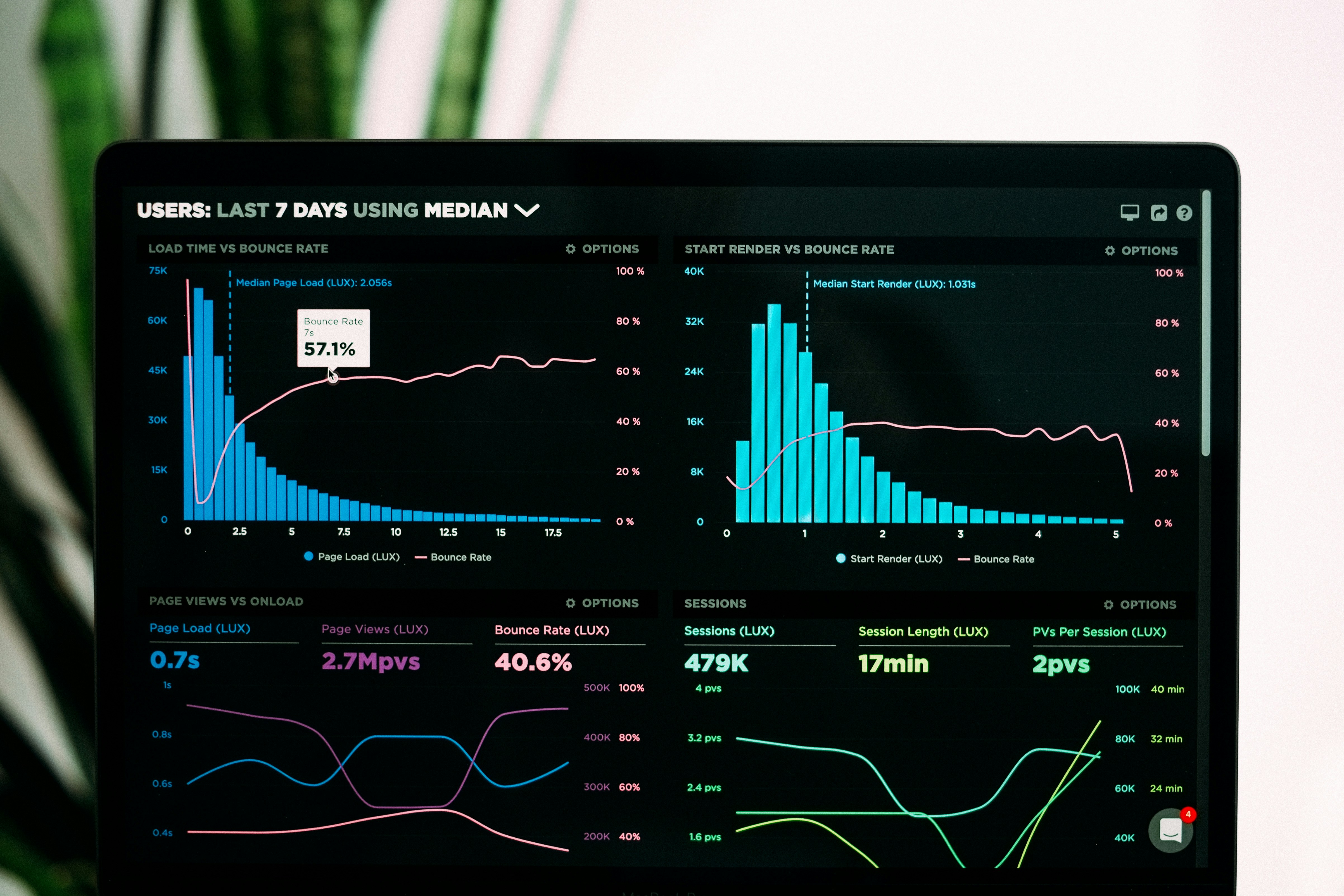
Data analytics has evolved from basic reporting to advanced predictive and real-time intelligence systems. In today’s competitive landscape, organizations rely heavily on data-driven insights to guide strategic, operational, and financial decisions.
As technology advances, new analytics trends are reshaping how businesses interpret information and convert insights into measurable growth.
Key Data Analytics Trends in 2026
1. Predictive and Prescriptive Analytics
Businesses are moving beyond historical analysis toward predictive models that forecast outcomes and prescriptive systems that recommend optimal actions.
2. Real-Time Data Processing
Modern analytics platforms process streaming data instantly, enabling faster responses to market changes and customer behavior shifts.
3. AI-Powered Business Intelligence
Artificial intelligence enhances traditional BI tools by automating pattern recognition, anomaly detection, and insight generation.
4. Self-Service Analytics
User-friendly dashboards empower non-technical teams to explore data independently, reducing reliance on centralized IT departments.
5. Cloud-Based Analytics Platforms
Cloud infrastructure provides scalable storage, advanced computing power, and collaborative environments for distributed teams.
Business Impact of Modern Analytics
- Improved forecasting accuracy
- Enhanced operational efficiency
- Better customer segmentation
- Optimized marketing ROI
- Data-driven strategic planning
Challenges to Consider
Despite its benefits, analytics adoption requires strong data governance, privacy compliance, and skilled professionals. Poor data quality or misinterpreted insights can lead to flawed decisions.
The Road Ahead
The future of data analytics lies in deeper AI integration, automation of insights, and cross-functional accessibility. Businesses that build a strong analytics culture will be better positioned to adapt in rapidly changing markets.
As analytics technologies continue evolving, smarter decision-making will increasingly depend on the ability to transform raw data into actionable intelligence.